
Ear Wax Removal and Hearing Aids: What Wearers Need to Know
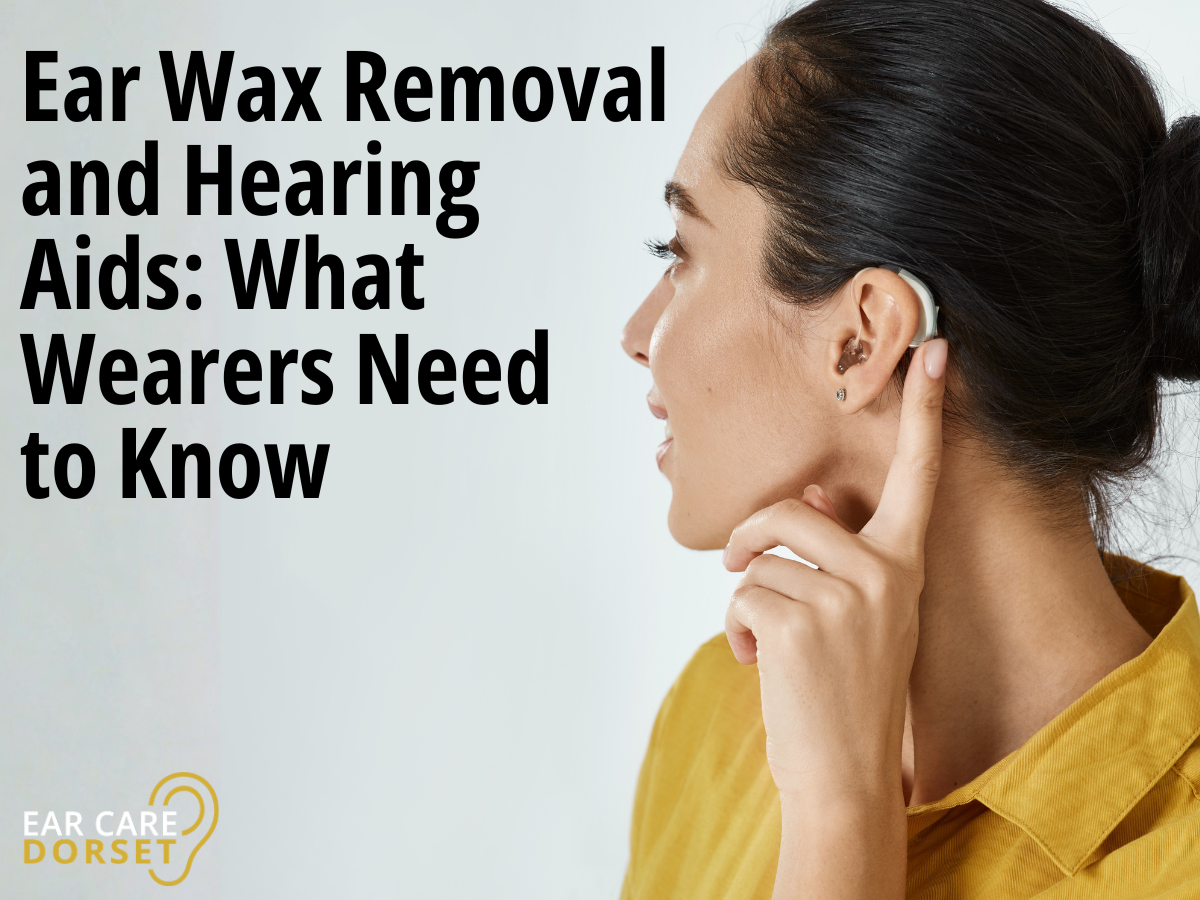
Hearing aids can make an enormous difference to everyday communication and quality of life. However, wearing a hearing aid can also make some people more prone to ear wax build-up.
Keeping ear wax under control is particularly important for hearing aid wearers because excess wax can affect both your hearing and the performance of your devices.
Why can hearing aids contribute to ear wax build-up?
Ear wax is a natural substance that helps protect, clean and lubricate the ear canal. Normally, movements of the jaw and the skin inside the ear gradually help wax move towards the entrance of the ear, where it can fall away naturally.
Hearing aids, earmoulds and other devices worn inside the ear can sometimes interrupt this natural process. They may prevent wax from dispersing easily or push it further into the ear canal, increasing the likelihood of a blockage.
Some people naturally produce more ear wax than others, while age, narrow ear canals and the consistency of the wax can also make build-up more likely.
How can ear wax affect hearing aids?
Even a relatively small amount of wax can interfere with the operation of a hearing aid. You may notice:
Whistling, squealing or feedback from your hearing aid
Muffled or distorted sound
Reduced hearing aid volume or performance
Wax blocking the receiver, tubing or earmould
Your hearing aid cutting out or appearing not to work
Increased difficulty inserting the hearing aid comfortably
A large build-up of ear wax can prevent sound from travelling properly into the ear. This can cause sound to be reflected back towards the hearing aid, resulting in feedback or whistling.
Ear wax, moisture and other debris can also block parts of the hearing aid itself, reducing sound quality or stopping the device from working correctly.
Ear wax can make hearing seem worse
When you already have hearing loss, an additional blockage caused by ear wax can make it feel as though your hearing has suddenly deteriorated or that your hearing aids are no longer powerful enough.
Common symptoms of an ear wax blockage include:
Muffled or reduced hearing
A blocked or full sensation in the ear
Tinnitus, such as ringing or buzzing
Ear discomfort or itching
Difficulty hearing clearly even with hearing aids in place
Ear wax build-up is a recognised cause of temporary hearing loss and can sometimes affect hearing aid wearers more significantly because they already rely on amplified sound.
However, these symptoms can have other causes. It is important to have your ears examined rather than assuming that wax is responsible.
Ear wax and hearing tests
Excessive ear wax can affect the accuracy of a hearing assessment. A blockage may temporarily reduce the amount of sound reaching the eardrum, which could make your hearing appear worse during testing.
For this reason, your audiologist may examine your ears before completing a hearing test. If there is a significant wax blockage, they may recommend having it removed before the assessment is completed or repeated.
Having clear ear canals helps your audiologist gain a more accurate understanding of your hearing and ensures that any hearing aid settings are based on reliable test results.
Ear wax and hearing aid earmoulds
Some hearing aids require a custom-made earmould or earpiece. To create this, an audiologist takes an impression of the ear canal and outer ear.
A significant wax blockage can make it difficult or inappropriate to take an accurate impression. The wax may obstruct the ear canal or prevent the impression material from capturing the correct shape.
Your audiologist may therefore ask you to arrange ear wax removal before taking an impression or fitting a new hearing aid.
Signs that you may need an ear examination
It may be helpful to arrange an ear health assessment if:
Your hearing aid has started whistling unexpectedly
Your hearing seems worse despite changing the hearing aid battery
The sound has become muffled or distorted
Your hearing aid repeatedly becomes blocked with wax
Your ear feels full, uncomfortable or blocked
You are due to have a hearing test or earmould impression
Your audiologist has advised you to have your ears checked
An examination can confirm whether ear wax is present and whether removal is necessary.
Should hearing aid wearers have regular ear checks?
There is no single timetable that is right for everyone. Some hearing aid wearers experience very little wax, while others are more prone to recurring build-up.
Regular checks may be useful if you have experienced repeated blockages, produce a large amount of wax or rely heavily on your hearing aids for communication.
Your audiologist or hearing aid provider may also examine your ears when servicing or adjusting your devices and advise you if wax management is required.
At Ear Care Dorset, we will always examine your ears first. If wax removal is not needed, we will tell you honestly and no remaining treatment balance will be payable.
Avoid putting objects inside your ears
Cotton buds, ear picks and other objects should not be inserted into the ear canal. They can push wax deeper, damage the delicate skin of the ear canal or injure the eardrum.
You should also seek professional advice before using ear drops if you have previously had a perforated eardrum, ear surgery, ear infections or have been advised to keep your ears dry.
Some oil-based drops may interfere with hearing aids, so hearing aid wearers should ask a pharmacist, audiologist or other appropriate healthcare professional which product is suitable for them.
Professional ear wax removal for hearing aid wearers
When ear wax is causing symptoms or interfering with your hearing aids, professional removal may be recommended.
Microsuction removes wax using a fine suction tube while the practitioner views the ear canal directly. It does not involve flushing water into the ear.
At Ear Care Dorset, every appointment begins with a thorough ear health assessment using a high-definition ear camera. We explain what we find and, where clinically appropriate, can show you before and after images.
Mobile ear wax removal across Bournemouth, Christchurch and Poole
Ear Care Dorset provides professional mobile microsuction ear wax removal for hearing aid wearers across Bournemouth, Christchurch, Poole and surrounding areas.
We visit you in the comfort of your own home, meaning there is no need to travel, find parking or sit in a busy waiting room.
Ear wax removal costs £65 in total for one or both ears:
£25 booking fee when arranging your appointment
£40 remaining balance only if ear wax removal is required
If no wax removal is needed, you will still receive an ear health assessment and appropriate advice, but you will not pay the remaining £40 treatment balance.
Evening and weekend appointments are available, and same-week appointments are often possible.
If your hearing aids have started whistling, your hearing feels more muffled than usual or you have been advised to have your ears checked before a hearing test or earmould fitting, contact Ear Care Dorset to arrange a professional home visit.
Call us on 07356 233 133 to book a home visit.
